Lake Turkana, often called the Jade Sea, is a vast desert lake in northern Kenya, far from the lodges of the Masai Mara and the beach hotels of Diani. The water can look green or blue-green against bare volcanic land, the wind is part of the climate, and the journey itself is a large part of the experience. This is not a casual weekend add-on. It is an expedition-style trip that rewards travellers who want remoteness and are prepared for long distances, simple facilities and a different kind of plan.
This guide covers how people usually reach the lake, what they do when they arrive, and how to decide whether it belongs on your itinerary. Always check current travel advice for the area you intend to visit, and travel with an operator who knows the present road and security situation. Conditions in the far north can change, and a blog post is not a substitute for that briefing.
What the Lake Is Like
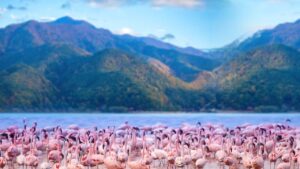
Turkana is one of the largest desert lakes in the world, fed mainly from the north and set in a harsh, beautiful landscape of rock, wind and acacia. The colour that gives it the Jade Sea name is real, though it shifts with light, sediment and the day. The shoreline is not a swimming-pool beach holiday. The water is alkaline, wind can raise a chop, and crocodiles are part of the ecology. Enjoy the lake from safe, guided situations, not from an improvised swim.
Most visitors who reach the western or south-eastern access points spend time in and around Loiyangalani or similar bases, looking at the water, visiting local communities when that is arranged respectfully, and taking a boat if conditions allow. South Island and other protected areas exist in the lake system; access is a planned activity, not a spontaneous hop. Fossil landscapes around the wider basin, including sites associated with human origins, are a specialist reason some travellers come, usually as part of a structured expedition rather than a short hotel stay.
Scale, colour and wind matter more here than a packed wildlife checklist. The journey is part of the destination.
Small towns and camps provide simple to mid-range bases. Do not expect a luxury conservancy lodge as the default.
Long road days or a charter flight, fuel, water and a guide who knows the current route are the real planning problems.
How People Get There
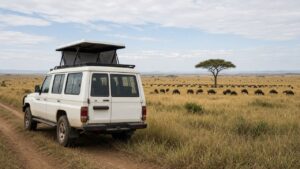
The overland route from the highlands is long. From Nanyuki or the Isiolo–Marsabit axis you should think in terms of a full expedition day or more, not a three-hour park transfer. Roads can be rough, and you need a proper 4×4, spare fuel planning, and a driver who has done the route recently. This is not a self-drive adventure to invent on the ground with a city rental car and a paper map.
Flying, when available, changes the trip. A charter or a scheduled service, if it is running on your dates, can turn a punishing road slog into a short hop, at a higher cost. Ask what is actually operating when you travel, not what used to operate two years ago. Organised options from the Nanyuki side include a Lake Turkana Jade Sea boat excursion and shoreline visits around Loiyangalani, which only make sense if the rest of the logistics are already in place.
- The Lake Turkana Expedition is the kind of multi-day framework this journey needs.
- Northern stops such as Samburu or a Marsabit National Park excursion can sit on the way, if the route and nights allow.
- A private driver with expedition experience is essential if you go by road.
What You Might Do on Arrival
A typical stay is about the landscape and the lake, not about a dawn game drive in the Mara sense. You may take a boat if the wind allows, visit a shoreline viewpoint, spend time in Loiyangalani, and, when it is offered properly, visit a local community such as an El Molo settlement. Those visits should be arranged so that they are welcomed and fairly set up, not so that a vehicle arrives unannounced and guests start taking photographs. A community visit that is already organised is the right model.
Heat, wind and basic facilities shape the day. Midday is for shade. Early morning and late afternoon are for the lake and for photography. Dust is normal. So is a very dark night sky if you are away from town lights. If you need a spa, a swimming pool of a certain standard, and a wine list, choose a different holiday and enjoy Turkana another year.
How Long to Allow, and Who Will Enjoy It
A serious overland visit is usually several days, including the travel. Two nights at the lake is a minimum once you have arrived; more is better because wind can cancel a boat morning. A fly-in trip can be shorter, but it is still not a single night if you want time to actually see the water in different light. Adding Turkana to a standard seven-day Mara safari is usually a mistake. It belongs on a longer, northern, expedition-minded itinerary, or as a trip of its own.
The travellers who like it most are those who already know Kenya a little, or who specifically want remote landscapes rather than a first-time wildlife checklist. It is less suitable for very young children, for anyone who needs reliable medical facilities close by, or for travellers who are uncomfortable with long, rough roads and simple camps. Check official travel advice, and talk honestly with your operator about the current situation on the route you would use.
What It Typically Costs
The cost is driven by distance: vehicle, fuel, extra days, and possibly a charter flight, more than by a high nightly lodge rate. As a planning band, a small-group or private overland expedition can run to several hundred US dollars per person per day once you include the specialised vehicle, guiding, camping or simple lodges, and the long empty-road logistics, with charter options higher still. It can be less or more depending on group size and how much flying you do. This is not the place to hunt for the lowest possible overnight rate and then discover that the transfer was never properly budgeted. Get a full, written plan.
Practical Tips and Common Mistakes
- Do not add Turkana to a short first-time safari; give it its own days
- Travel with a team that has done the route recently, and review current travel advice
- Pack for sun, wind, dust and simple facilities, plus a warm layer for some evenings
- Respect local communities; visit only through arranged, agreed encounters
- Treat the lake as a landscape to be guided around, not as a casual swimming beach
- Build a spare day into the plan in case wind or a road delay moves a boat or a flight
The usual mistake is underestimating the travel time and arriving exhausted for a single night. The second is treating the far north as if it were another well-serviced conservancy. The third is copying a route from an old trip report without checking whether that road and that airstrip still work in the same way. If you want a remote Kenyan landscape with easier logistics, consider Samburu or a longer Laikipia stay first, then come to Turkana when you are ready for the distance.
If you decide against Turkana this year, you have not failed at seeing Kenya. You have simply chosen the trip that matches the time you actually have, which is the more important skill.
Frequently Asked Questions
Is Lake Turkana worth visiting?
Yes, if you want a remote landscape and you can give the journey enough days. No, if you are looking for an easy add-on to a one-week Mara safari.
How many days do I need?
Think in terms of a multi-day expedition. Two nights at the lake is a minimum after you arrive; the road or flight days are extra.
Can I swim in Lake Turkana?
Do not treat it as a hotel swimming beach. The water is alkaline, conditions can be rough, and crocodiles live in the lake. Follow local and guide advice.
Is it safe to travel to Lake Turkana?
Safety and access depend on the route, the timing and current conditions. Check official travel advice and go with an operator who is working there now.
Can I self-drive to the lake?
Only with serious desert-road experience, the right vehicle and current local knowledge. For most visitors, a guided expedition is the sensible choice.
When is the best time to go?
The lake is a year-round landscape, but wind, heat and road conditions vary. Ask your operator about the month you have in mind rather than relying on a single nationwide rule.
Get Your Free Custom Lake Turkana Expedition Quote Today!
Tell us your dates and how much time you can give the far north, and we will say honestly whether a Turkana plan is realistic for that window.
Browse Multi-Day Tours Explore Short Excursions