Lewa Wildlife Conservancy sits on the northern slopes of the Laikipia–Mount Kenya landscape, close to Nanyuki and very different in mood from a busy national-reserve gate. It is a private conservancy with a long conservation record, especially for black and white rhinos and for Grevy’s zebra, and it is one of the places in Kenya where walking and horseback safaris are a normal part of the stay, not a rare extra.
This guide explains what Lewa is good for, how to get there, how long to stay, and how it compares with nearby Ol Pejeta. It is a planning overview. Lodge rates and conservancy fees change, and access is organised through the camps rather than as a casual self-drive picnic site.
What Lewa Is, and Why People Book It
Lewa is a working conservancy on a mix of grassland, river and rocky outcrops, with Mount Kenya often in view on a clear morning. It is part of a wider landscape of community and private conservancies, and it is a UNESCO-recognised site because of that conservation model, not because it is a theme park. Guests pay for access, for the quality of guiding, and for the chance to move through the land in ways that most national parks do not allow.
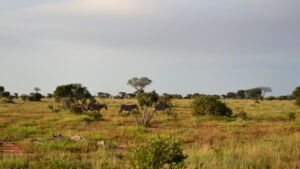
Rhinos are the headline. Both black and white rhinos are present, and tracking them with a guide is a highlight of many stays. Grevy’s zebra, the larger, rarer zebra of northern Kenya, are another reason to come. Lion, elephant, buffalo, retics of giraffe and a strong bird list fill the rest of the day. Night drives and walks, where offered, give you a different set of sightings from a standard 6 a.m. game drive in a park.
Two of Lewa’s strongest draws, usually seen on guided drives and, in some cases, on a specialist tracking walk.
Walking and horseback safaris are part of the conservancy’s character, subject to age, fitness and the day’s safety briefing.
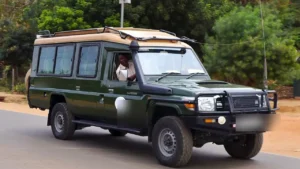
Road or a short flight from Nanyuki, then a conservancy transfer. You do not simply roll up at a public gate with a hired city car.
Walking, Horses and the Pace of a Stay
A walking safari at Lewa is usually a guided outing on foot, sometimes focused on rhino tracking, sometimes on tracks, birds and the smaller things you miss from a vehicle. It is not a forced march, but it is a real walk on uneven ground, and you follow the guide’s instructions closely. Minimum ages often apply. Ask when you book, and be honest about fitness. A Lewa rhino tracking and ranger walk is the kind of structured outing that makes the difference between a drive-only stay and a conservancy stay.
Horseback safaris, where available, are for riders who already have a decent standard, not for a first lesson in front of a giraffe. If you ride, say so early, including your experience level. If you do not ride, you will not be short of activities: drives, walks, and time at camp are plenty for two or three nights.
- A Lewa Wildlife Conservancy safari excursion is the starting point from Nanyuki.
- The Laikipia and Lewa Safari is the natural multi-day combination.
- Transfers can be arranged with a Nanyuki airport transfer if you fly into the plateau.
How to Get There
Nanyuki is the usual gateway, by road from Nairobi in roughly three and a half to five hours, or by a short scheduled flight from Wilson Airport. From Nanyuki, the conservancy is a further transfer. Lodge vehicles or a pre-booked driver should handle that last section. A casual taxi from town is not a reliable way to enter. If you are coming from Samburu or Ol Pejeta, the transfers are regional rather than a return to the capital; that is the more elegant way to travel if your itinerary already includes the north.
Flying saves a long road day and is worth it if Lewa is a short stay. Driving makes more sense if you are already in Nanyuki or coming from a nearby conservancy and want to keep costs down. Either way, arrive by early afternoon if you want a first game drive or a short walk before dark.
How Long to Stay, and When to Go
Two nights is the minimum; three is better if you want a walk, a night drive and a full-day sense of the land. A day trip is possible from Nanyuki but wastes much of what Lewa is good at, because you lose the early and late hours and usually the after-dark options. If you are choosing between one night at Lewa and two at Ol Pejeta, or the reverse, give the extra night to the conservancy you care more about rather than splitting badly.
Lewa is a year-round destination, with easier walking and driving in the drier months and a greener look after rain. High season in the Kenyan safari calendar, especially July to October, fills the better camps early. Book ahead for those months. Mornings can be cold on the plateau; pack a fleece even if you will be in short sleeves by lunch. See our best time to visit Kenya guide for the national picture.
What It Typically Costs
Lewa is rarely a bargain night, and it should not be compared with a basic public campsite. Conservancy fees are usually bundled into the lodge rate. As a planning band, a comfortable mid-to-upper stay often falls around USD 600 to 1,200 or more per person per night in peak months, with a wide spread below that in simpler neighbouring properties and well above it in the most exclusive camps. Walking or horse activities may be included or charged as extras depending on the camp. Confirm what the nightly rate covers. For how a conservancy night sits in a wider trip, see our Kenya safari cost guide.
Lewa or Ol Pejeta?
Both are excellent Laikipia-area conservancies with rhinos and a more flexible rulebook than a typical national park. Ol Pejeta is often slightly easier to slot into a first-time itinerary, with the chimpanzee sanctuary as a unique extra and a wider range of price points. Lewa is often chosen for walking, for Grevy’s zebra, and for a slightly more exclusive conservancy atmosphere. If you have four nights in the region, one stay of three nights in a single conservancy usually beats two one-night hops. If you have the time and the budget for both, they complement each other rather than repeating the same day twice.
Practical Tips
- Stay at least two nights, preferably three, so walks and night drives are not squeezed
- Declare walking or riding experience clearly when you book, including children’s ages
- Pack a warm layer for dawn, even in warm months
- Do not assume a self-drive rental car from Nairobi can enter the conservancy without prior arrangement
- Ask what is included in the conservancy fee and which activities cost extra
- Combine Lewa with Nanyuki, Mount Kenya or Samburu rather than treating it as a long one-night detour
Lewa works best as a deliberate chapter in a northern or highland safari, not as an afterthought on the way to the Mara. If your total trip is only seven days, think carefully before cutting Mara nights to squeeze it in. If you have 10 to 14 days, as in our 14-day Kenya safari itinerary, it can be one of the richest stops on the route.
If you are building a first Kenya trip, put Lewa on the list only when the Mara, or a second classic park, already has enough nights. If you are returning to Kenya, it can be the main reason you come back to the highlands.
Frequently Asked Questions
Is Lewa Conservancy worth the cost?
If you value rhinos, flexible activities and a quieter conservancy stay, yes. If you only want a standard game drive and a tight budget, a national park may fit better.
How many nights should I spend at Lewa?
Two is the minimum, three is ideal. A single night is mostly arrival and departure.
Can I walk or ride at Lewa?
Walking is a regular feature of many stays, subject to guiding and age rules. Horseback outings are for confident riders and should be arranged in advance.
How do I get to Lewa from Nairobi?
Drive or fly to Nanyuki, then transfer to the conservancy. Flying is faster and usually gives you an afternoon activity on arrival day.
Is Lewa good for children?
Many families enjoy it, but walking and riding have age and height rules. Ask the camp before you book, and keep the plan flexible.
Can I visit Lewa and Ol Pejeta on the same trip?
Yes, if you have enough nights to give each place at least two nights. A single night in each is less satisfying than a proper stay in one.
Get Your Free Custom Lewa Safari Quote Today!
Tell us your dates, whether you want to walk or ride, and how Lewa should connect with Nanyuki, Samburu or the Mara.
Browse Multi-Day Tours Explore Short Excursions